Historic Things to Do in New York City
Discover historic things to do in New York City, from the Empire State Building and Grand Central to Revolutionary landmarks, museums, and historic NYC experiences.
New York City is full of history – from centuries-old taverns and Art Deco skyscrapers to preserved tenements and Revolutionary-era sites.
Many of the best historic things to do in NYC offer a chance to step inside that history. This guide focuses primarily on New York City historical sites that span more than two centuries and showcase the architecture, innovation, immigration, culture, and stories that made New York what it is today.
Historic Things to Do in NYC: At a Glance
Best for American History
Federal Hall National Memorial and Fraunces Tavern Museum
Visit two Lower Manhattan sites tied to the earliest chapters of the United States and George Washington's presidency.
Best for NYC Architecture and Innovation
Empire State Building Observation Deck
Explore the history of the Art Deco masterpiece through immersive museum exhibits before you take in New York City from the Observation Deck.
Best for Transportation History
Grand Central Terminal
Discover the architecture and engineering behind the landmark terminal.
Best for Immigration History
Ellis Island National Museum of Immigration
Learn the stories of the millions of immigrants who passed through Ellis Island to begin their new lives in America.
Best for Everyday New York History
Tenement Museum
Step inside recreated Lower East Side homes that held immigrant and refugee families.
Best Historic NYC Bar
McSorley's Old Ale House
Experience a piece of old New York at one of the city's most storied drinking establishments.
Best for Revolutionary-Era History
Fraunces Tavern Museum
Explore galleries within a building associated with George Washington's farewell to his officers after the Revolutionary War.
Historic Things to Do in Midtown Manhattan
Some of Midtown’s most famous landmarks tell the story of the city's extraordinary transformation during the 20th century.
Empire State Building Observation Deck
Best For: Art Deco architecture, engineering history, American history, NYC skyline views
Tickets: Advance tickets recommended
Insider Tip: Buy tickets in advance and allow time for the museum exhibits before you head to the Observation Deck.
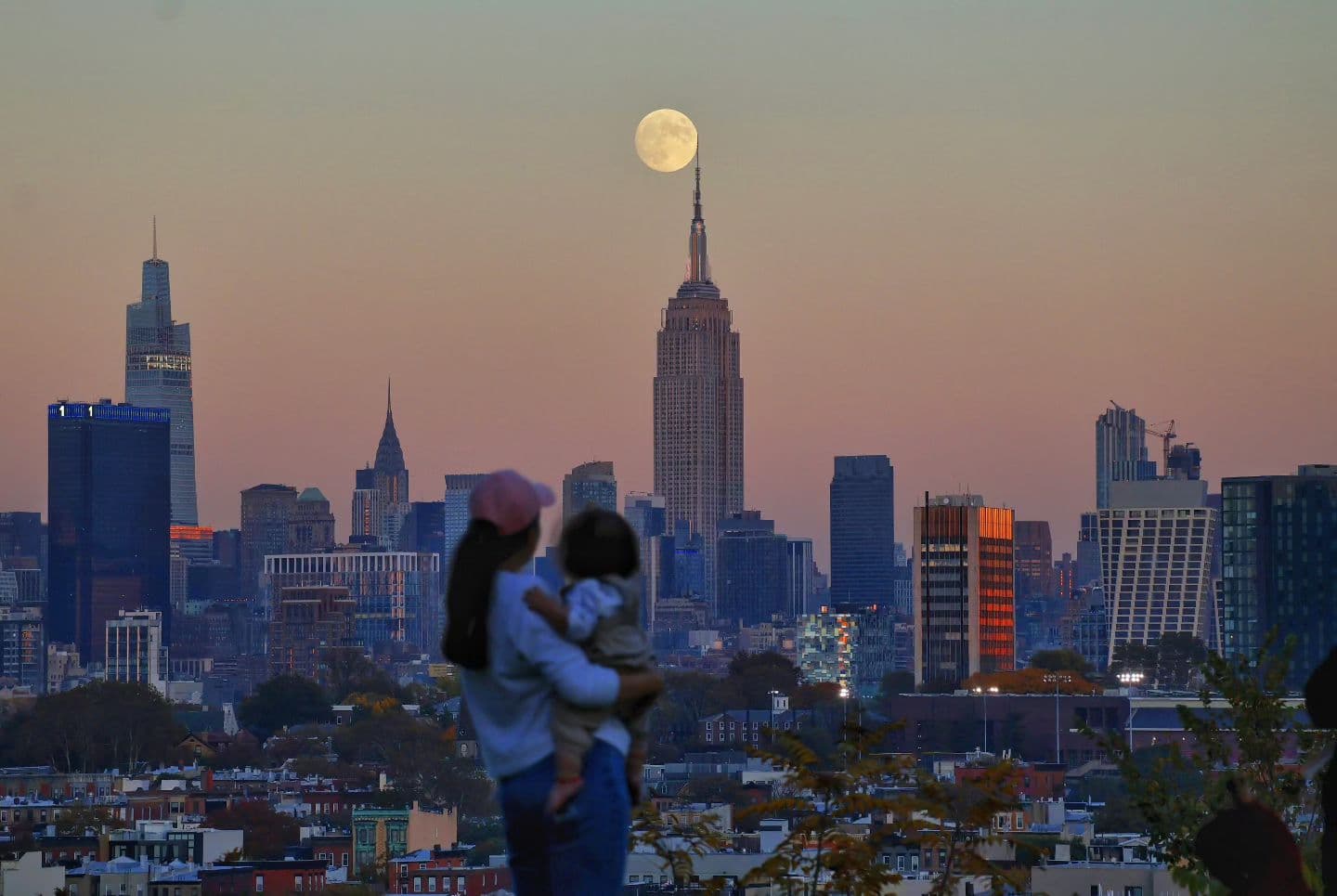
Few historic landmarks in NYC capture the spirit of 20th-century New York quite like the Empire State Building.
Construction began on March 17, 1930, and the building rose at an extraordinary pace of more than four floors per week. The Empire State Building officially opened on May 1, 1931, and, once complete, became the world's tallest building. Its Art Deco design and engineering achievements soon established it as an international symbol of New York City.
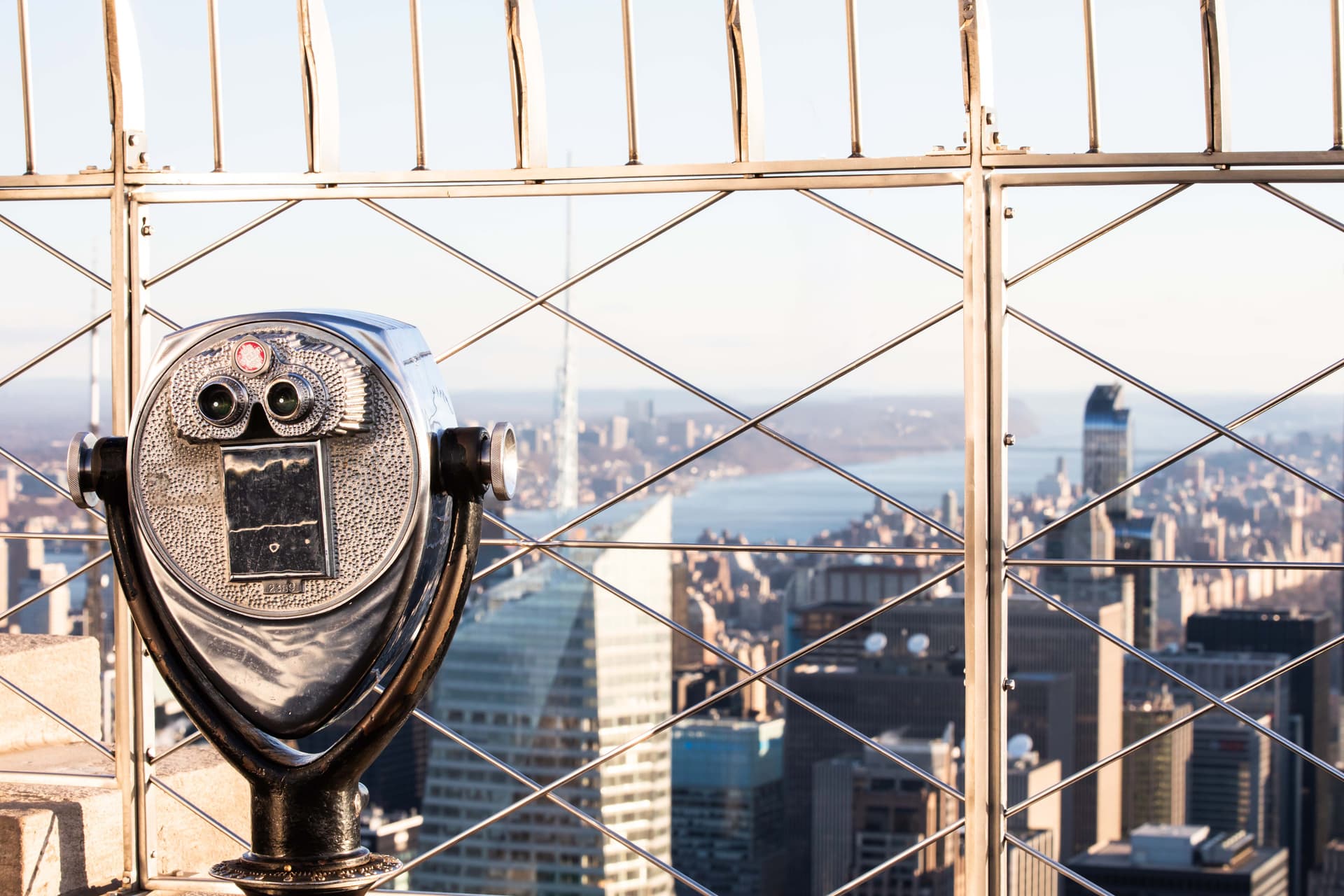
Today, visitors can experience that history before they reach the view. Immersive museum exhibits trace the building's construction, its place in pop culture, and its role as the defining feature of the New York City skyline. The experience culminates at the 86th Floor Observation Deck, where open-air, 360-degree views connect the landmark's history with the city around it.
Grand Central Terminal
Best For: Architecture, transportation history, first-time visitors
Tickets: Not required to enter the terminal
Insider Tip: Look beyond the Main Concourse and seek out architectural details throughout the terminal.
Grand Central Terminal tells the story of a period when rail travel and rapid urban development helped reshape New York.
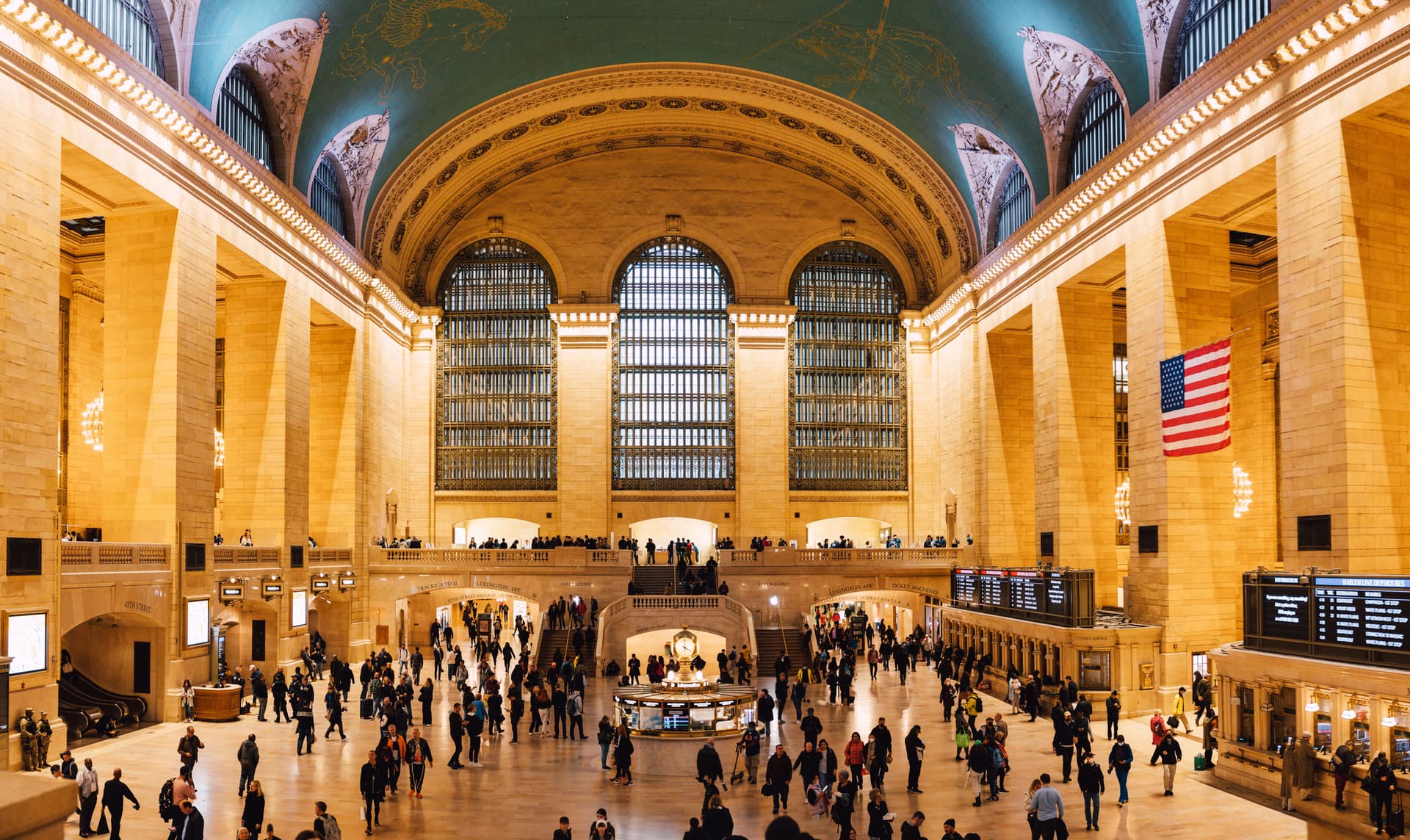
Grand Central officially opened on Feb. 2, 1913, when its construction transformed regional transportation and helped kick start the development of Midtown Manhattan.
Begin in the Main Concourse to see the celestial ceiling, monumental windows, famous clock, and Beaux-Arts details. From there, explore the shops, restaurants, and passages that wind through the underground terminal.
New York Public Library, Stephen A. Schwarzman Building
Best For: Architecture, literary history, free historic experiences
Tickets: General entry is free
Insider Tip: Pair your visit with a walk through Bryant Park directly behind the library.
Just a few blocks from the Empire State Building, the New York Public Library's Stephen A. Schwarzman Building is another product of the ambition that shaped modern Midtown.
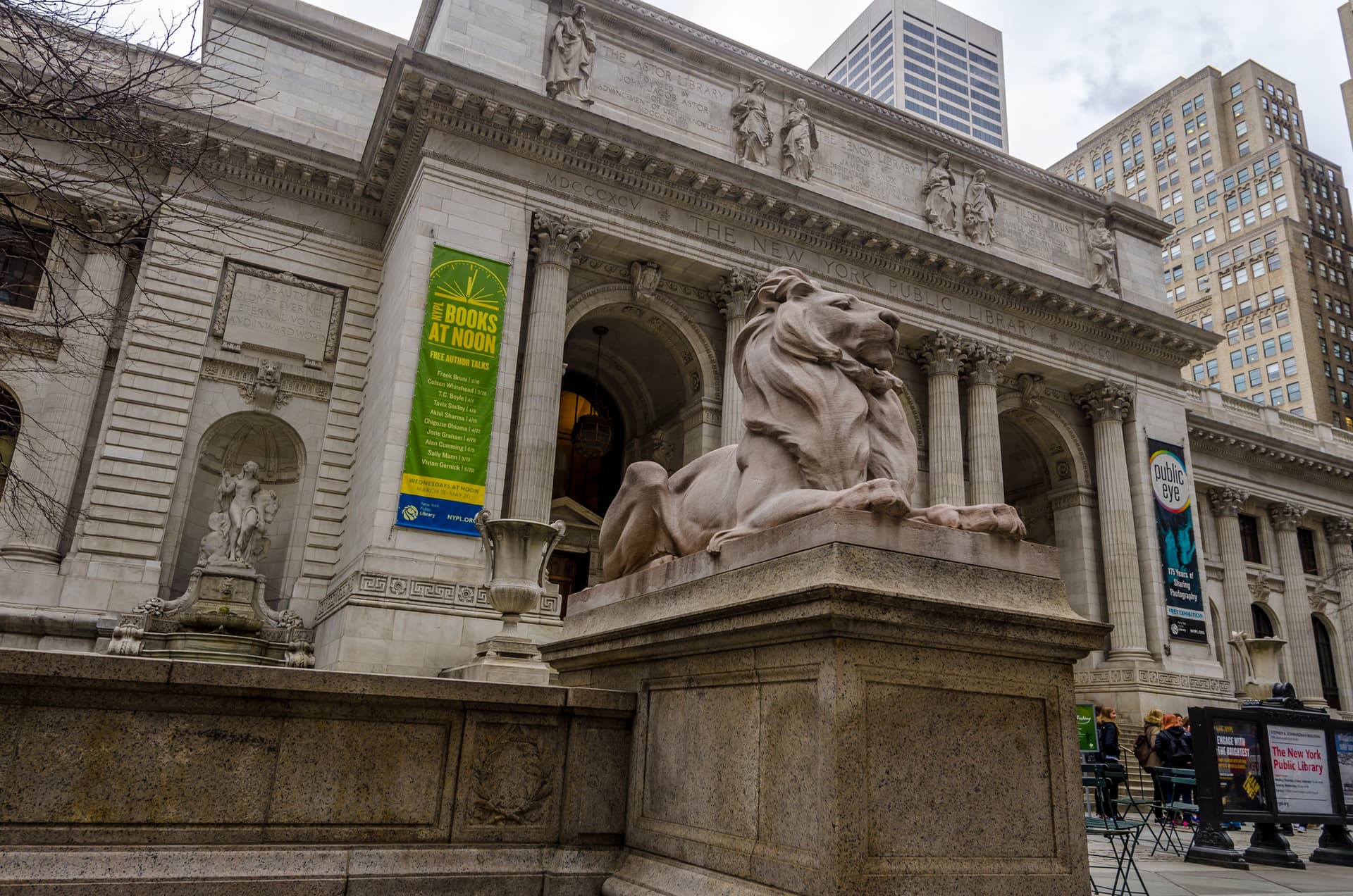
The New York Public Library was established in 1895 through the consolidation of the Astor and Lenox libraries and the Tilden Trust. Architects Carrère & Hastings designed its landmark Fifth Avenue home in the Beaux-Arts style, with a vast reading room above seven floors of books.
Today, visitors can walk through the grand library to admire the marble interiors and explore public exhibitions.
Historic Things to Do in Lower Manhattan
Long before Midtown's skyscrapers defined the skyline, Lower Manhattan served as the center of colonial New York and the early United States. Many of the most important American history sites in NYC sit downtown.
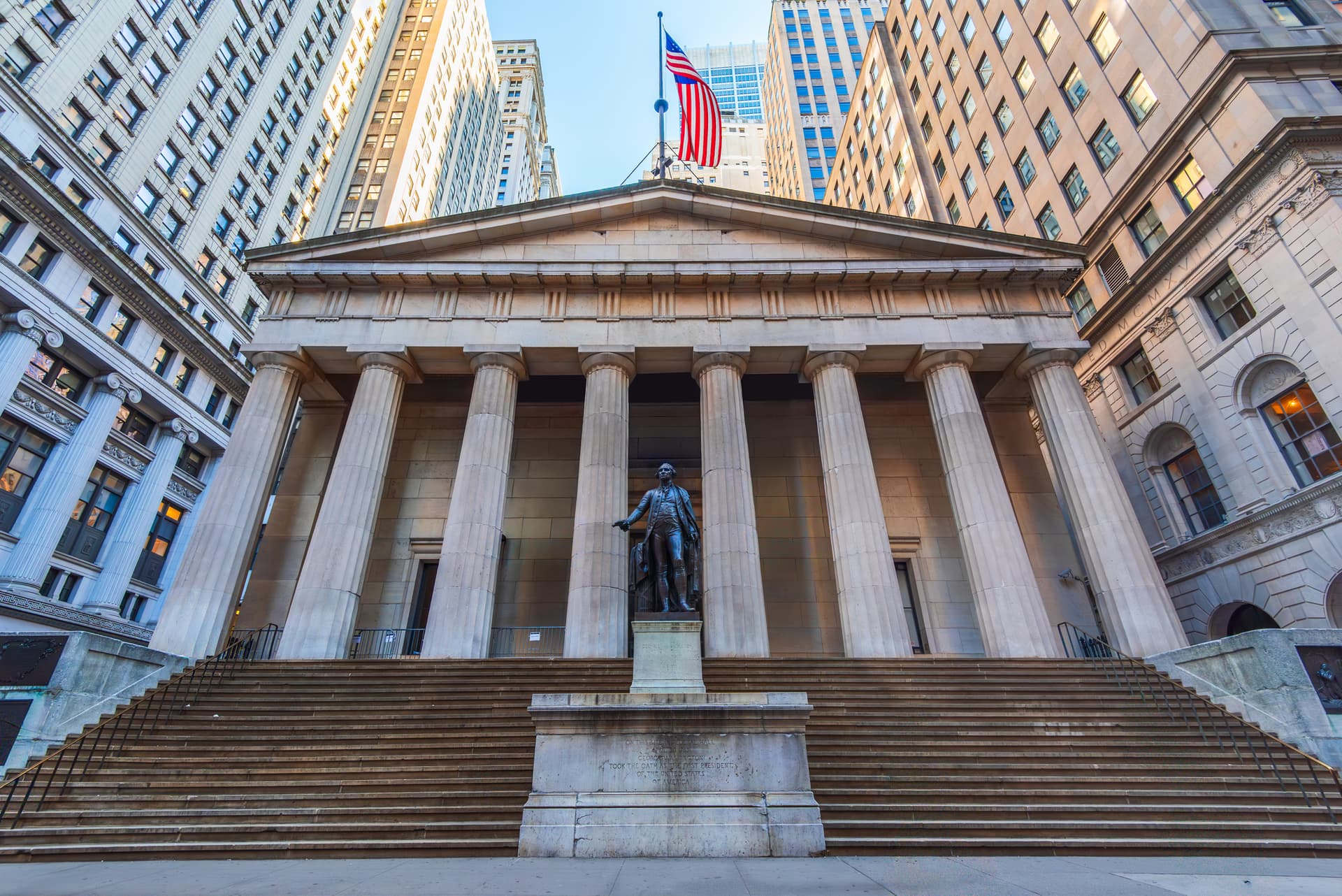
Federal Hall National Memorial
Best For: Early American history and George Washington
Tickets: Free
Across from the New York Stock Exchange, Federal Hall marks the site where George Washington took the oath of office as the first president of the United States in 1789, when New York served as the nation's capital.
Visit the nearby Fraunces Tavern to explore two distinct chapters of Revolutionary and early American history within the same Lower Manhattan neighborhood.
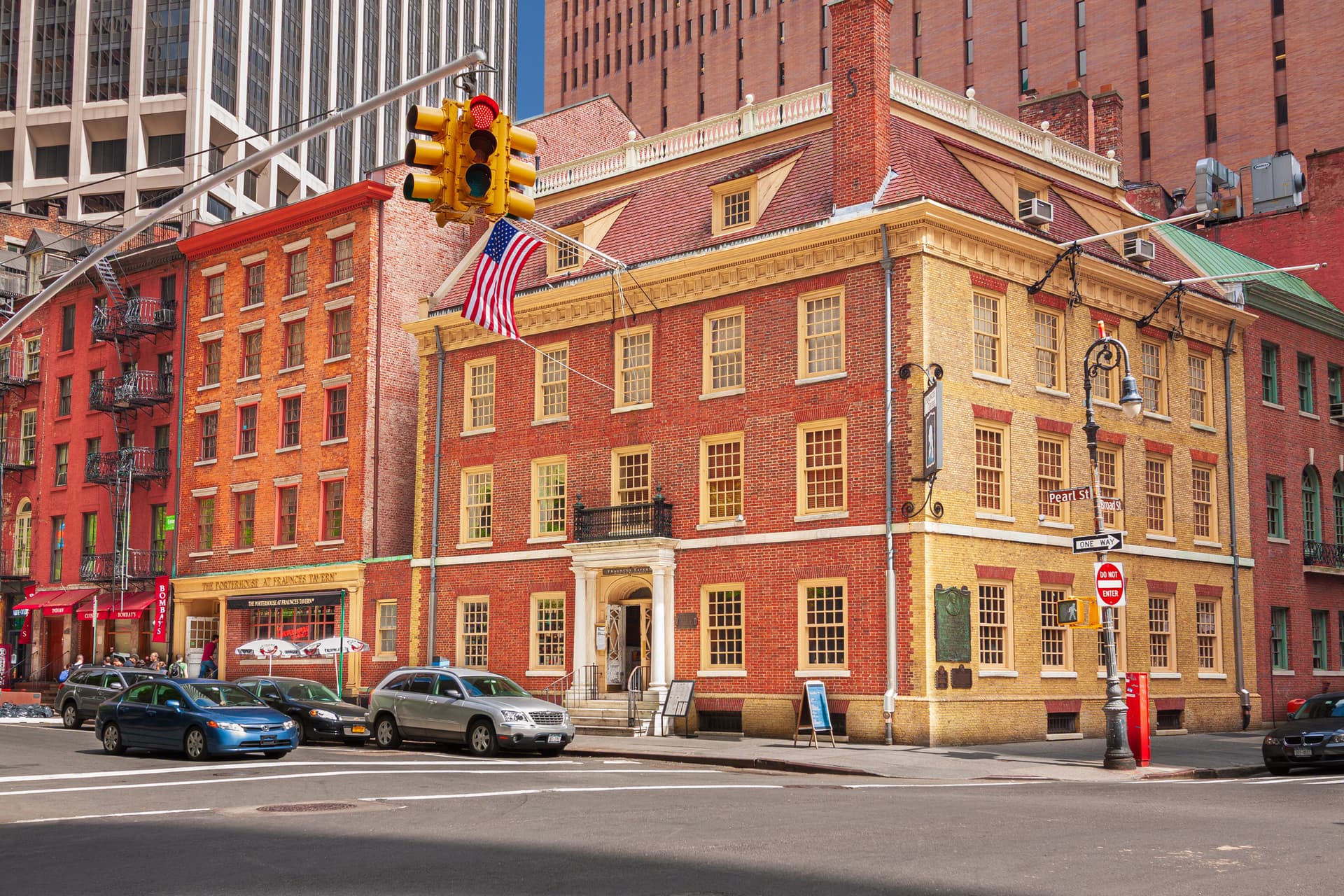
Fraunces Tavern Museum
Best For: Revolutionary War history and an immersive historic setting
Tickets: Required for museum admission
Insider Tip: Pair your museum visit with a meal or drink at the tavern for a full historic experience.
On Dec. 4, 1783, George Washington gathered with officers of the Continental Army in the Fraunces Tavern Long Room to thank them for their service and bid farewell after the Revolutionary War. Today, the museum preserves and interprets this history through galleries, artifacts, and exhibitions.
The historic setting also houses a working tavern, which gives visitors a chance to pair American history with a meal or a drink in one of Lower Manhattan's most storied destinations.
For travelers who want more than monuments, Fraunces Tavern offers one of the most immersive historic things to do in New York City.
Historic Things to Do on the Lower East Side and in the East Village
For generations, the Lower East Side and the East Village welcomed immigrants who established homes, businesses, cultural traditions, and communities that helped shape the city.
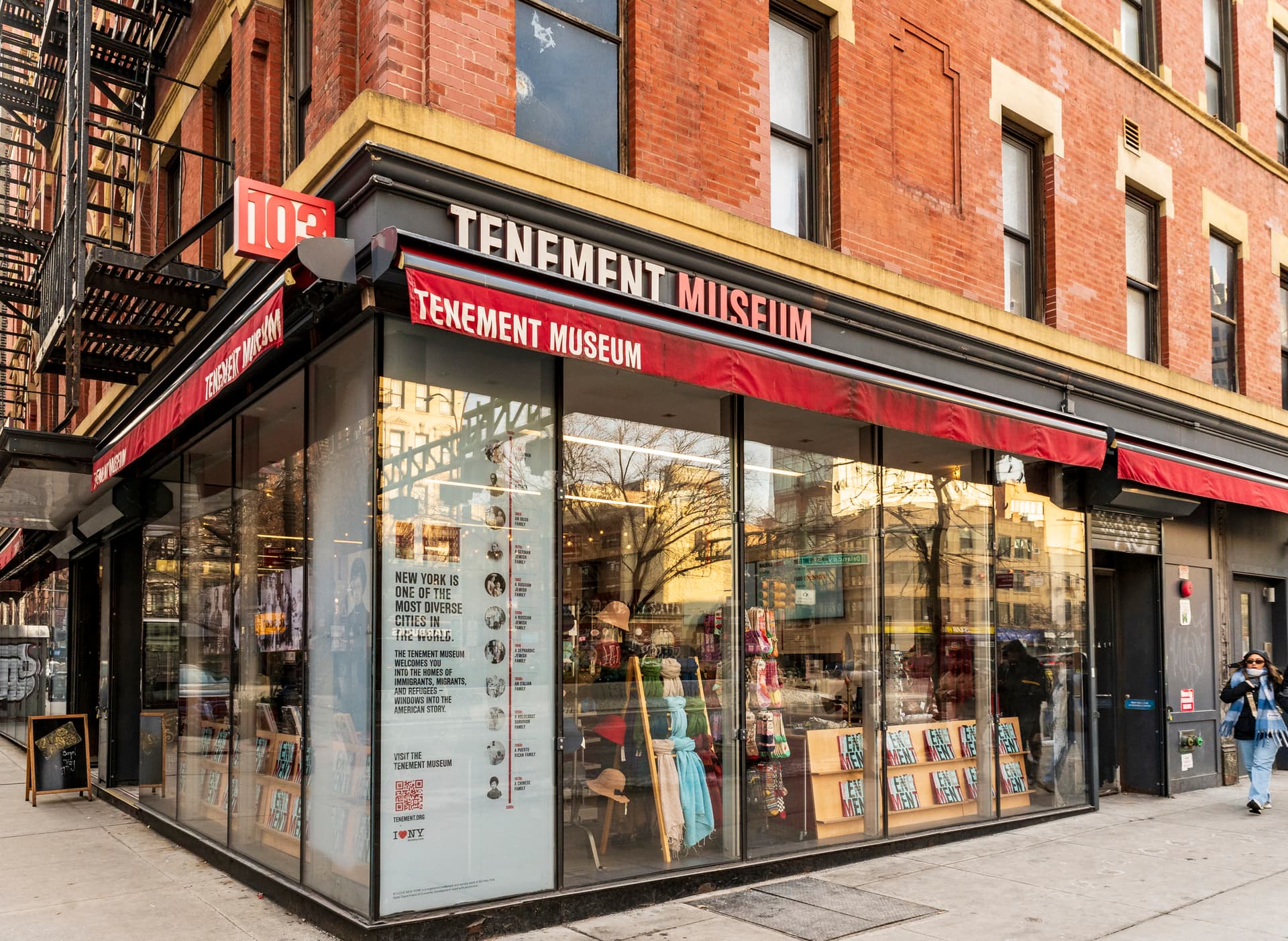
Tenement Museum
Best For: Immigration history and everyday New York life
Tickets: Advance tickets recommended
Insider Tip: Choose a tour based on the era or family story that interests you most.
The Tenement Museum puts the lives of everyday New Yorkers at the center of the city's story and remains one of the most popular NYC history attractions.
The museum dates back to 1988, when founders Ruth Abram and Anita Jacobson discovered 97 Orchard Street, a tenement whose upper floors had remained closed for more than 50 years. Today, the museum uses preserved and recreated spaces at 97 and 103 Orchard Street to share the experiences of immigrant and refugee families.
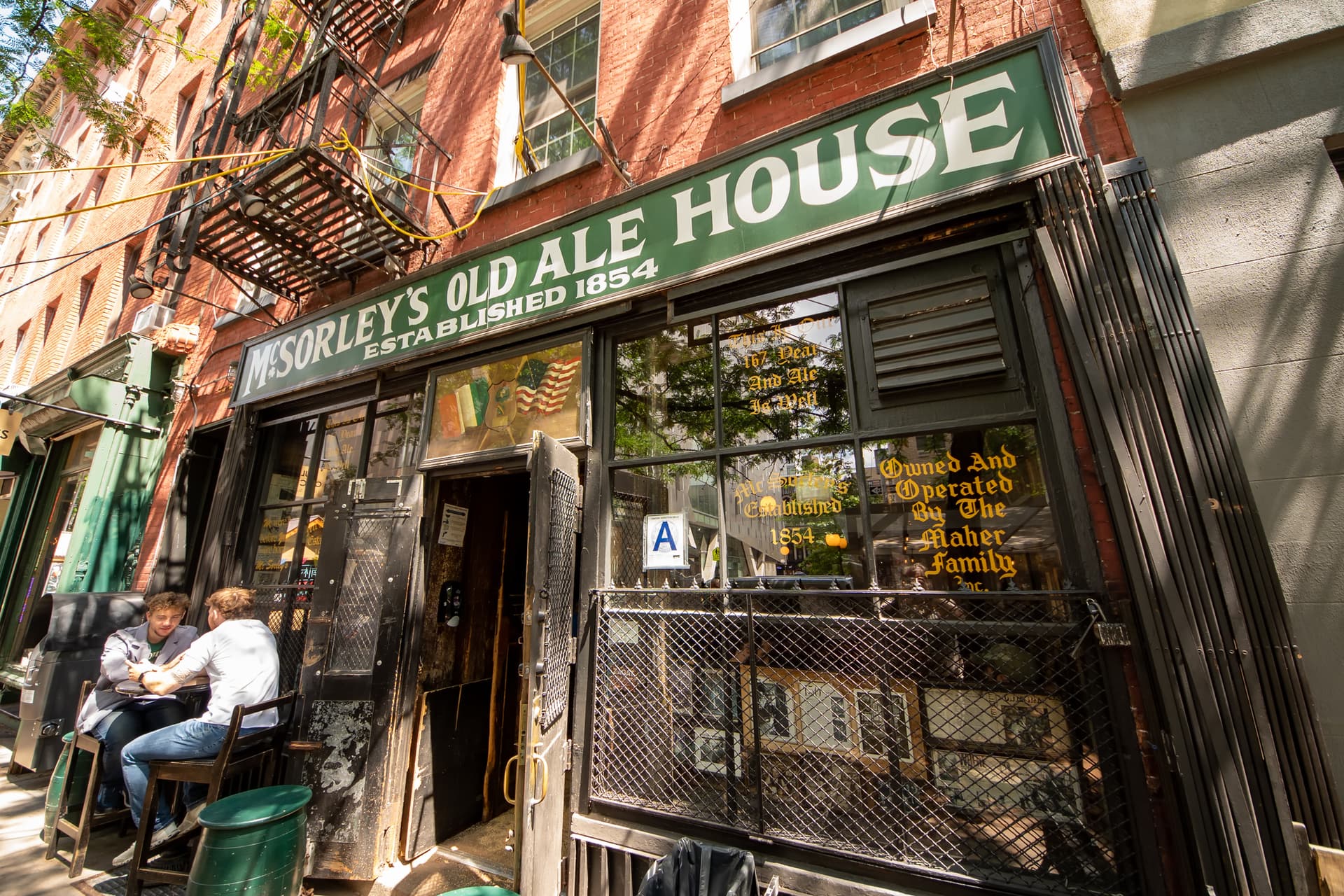
McSorley's Old Ale House
Best For: Old New York atmosphere and Irish American history
Tickets: Not required
Insider Tip: Come for the history as much as the ale and take time to notice the photographs and memorabilia throughout the room.
McSorley's traces its history to Irish immigrant John McSorley. The pub's walls are adorned with photographs, newspaper clippings, and artifacts that reflect generations of New York life.
Its compact interior and layers of memorabilia evoke a vintage East Village and make McSorley's a worthwhile stop for visitors who want to experience NYC history beyond the museums.
Historic Things to Do on the River
A visit to the Statue of Liberty and Ellis Island adds the origin stories of immigration and freedom to an itinerary centered on Manhattan's historic neighborhoods.
Statue of Liberty
Best For: American history and an iconic NYC landmark
Tickets: Ferry tickets required
Insider Tip: Reserve ahead if you want access beyond the island grounds.
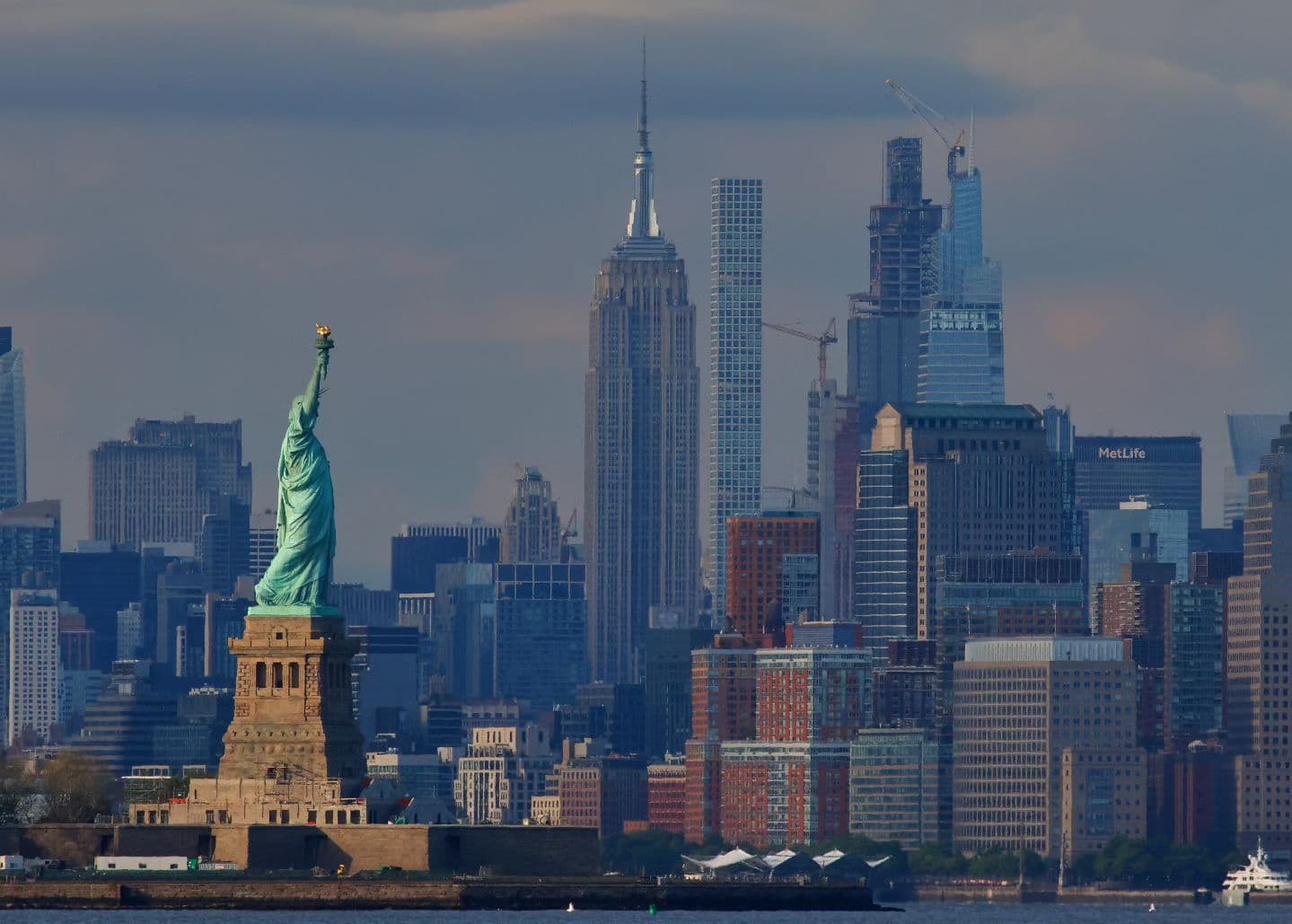
Dedicated in 1886, the Statue of Liberty has become one of the world's most recognizable symbols of freedom.
For millions of immigrants who entered New York Harbor, the monument also came to represent arrival and the possibility of a new life in the United States. A visit to Liberty Island allows guests to explore the monument's history while they take in views of Lower Manhattan and New York Harbor.
Pair Liberty Island with Ellis Island to understand how the harbor helped shape both New York and the nation.
Ellis Island National Museum of Immigration
Best For: Immigration and family history
Tickets: Ferry ticket required
Insider Tip: Give yourself enough time to explore the museum rather than treat Ellis Island as a quick stop between ferry rides.
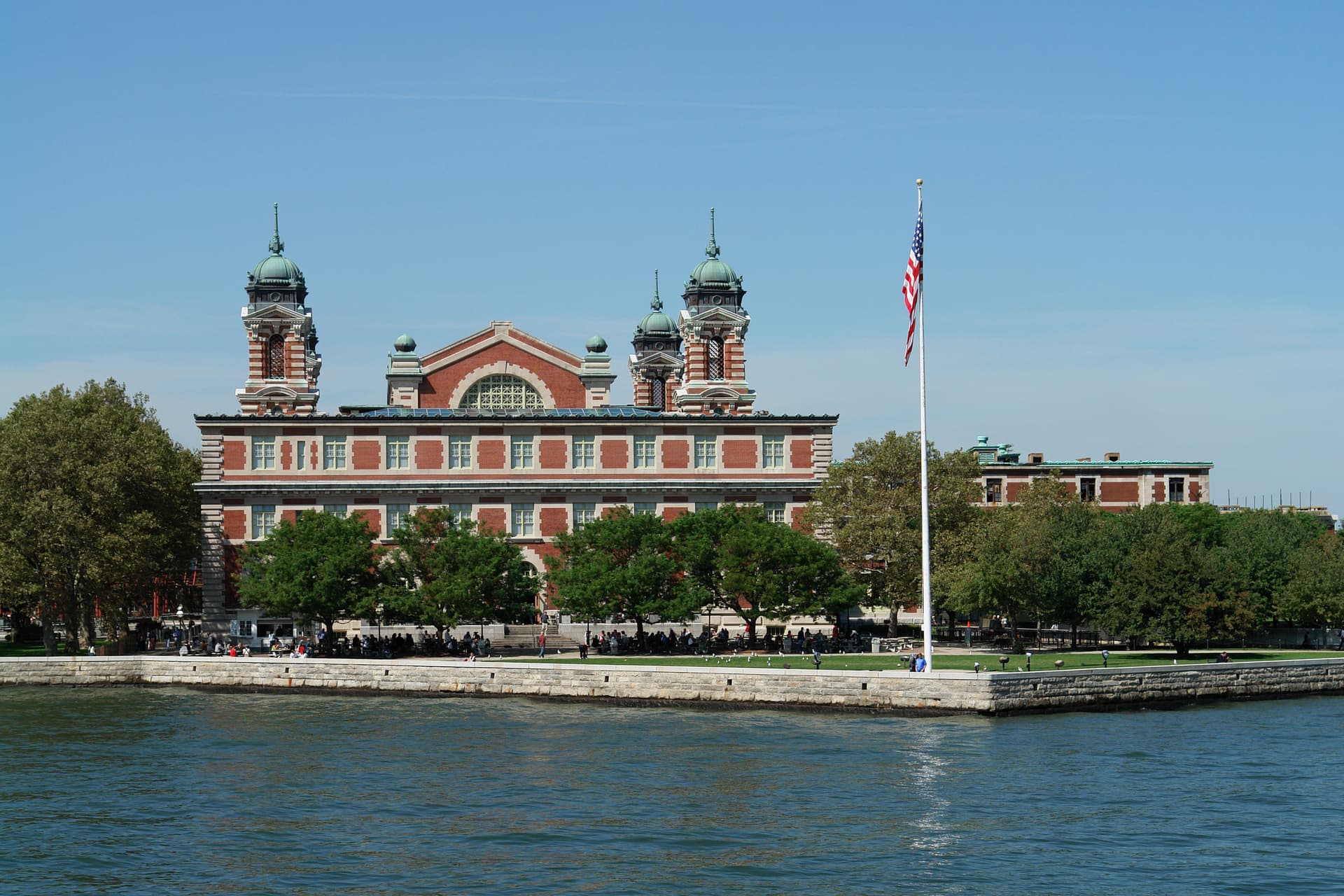
Ellis Island provides one of New York City's most powerful connections to the history of American immigration.
Between 1892 and 1954, more than 12 million immigrants passed through Ellis Island. Today, the National Museum of Immigration explores their experiences through photographs, records, artifacts, and historic spaces.
For anyone interested in the people who built modern New York, Ellis Island deserves a place among the most significant historic places to visit in NYC.
Tips to Explore Historic Places in NYC
Plan by Neighborhood
New York rewards visitors who group nearby attractions. Midtown landmarks such as the Empire State Building Observation Deck, Grand Central Terminal, and New York Public Library are all within an easy walk of one another. In Lower Manhattan, Federal Hall and Fraunces Tavern make another natural pairing.
Reserve Timed Experiences Ahead
Some historic attractions in NYC, including the Empire State Building Observation Deck and Tenement Museum tours, work best with advance reservations.
Look Beyond the Famous Names
New York history does not belong only to presidents, architects, and famous landmarks. Places such as the Tenement Museum reveal how immigrants, workers, families, and neighborhood communities shaped the city across generations.
Pay Attention to the Architecture
From the Art Deco details of the Empire State Building to the Beaux-Arts grandeur of Grand Central Terminal and the New York Public Library, New York's architecture reveals the ambitions of each era.
Leave Time for the Unexpected
Look for historic plaques, preserved façades, cobblestone streets, and architectural details as you move through each neighborhood.
Frequently Asked Questions
What are the best historic things to do in NYC?
Some of the best historic things to do in NYC include the Empire State Building Observation Deck, Grand Central Terminal, New York Public Library, Federal Hall National Memorial, Fraunces Tavern Museum, Tenement Museum, McSorley's Old Ale House, Statue of Liberty, and Ellis Island National Museum of Immigration.
Together, these destinations cover American history, immigration, architecture, transportation, culture, and everyday life across several eras of New York City history.
What historic places can I visit in Midtown Manhattan?
The Empire State Building Observation Deck, Grand Central Terminal, and the New York Public Library's Stephen A. Schwarzman Building rank among Midtown's most significant historic landmarks. All three are within walking distance of one another, which makes them easy to combine in one visit.
Where can I learn about immigration history in New York City?
The Tenement Museum and Ellis Island National Museum of Immigration offer two complementary perspectives. Ellis Island explores the experiences of millions who arrived in the United States through New York Harbor, while the Tenement Museum examines how immigrant and migrant families lived and built communities after they arrived in New York.
Where can I see the Declaration of Independence in New York City?
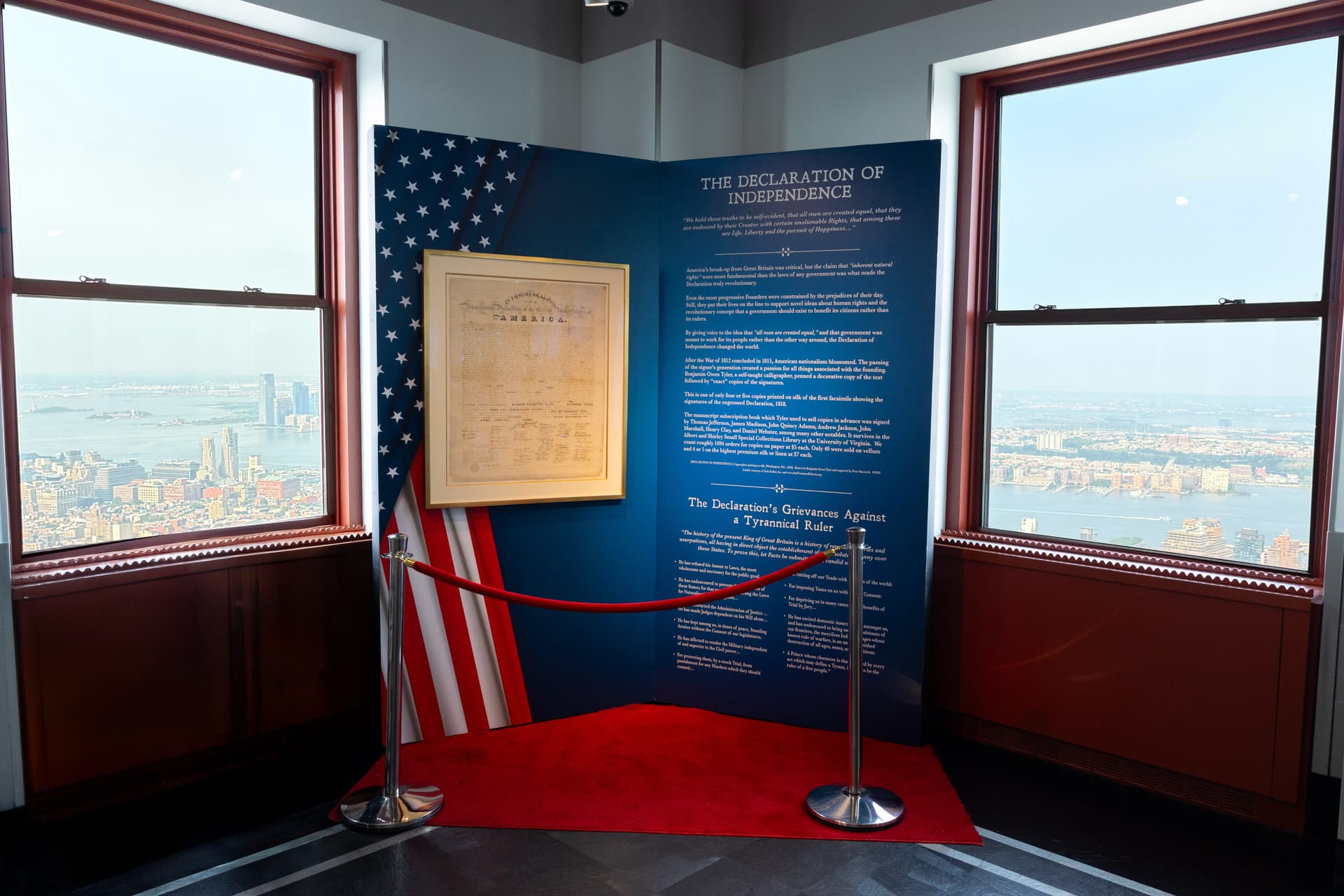
Through Oct. 4, visitors to the Empire State Building Observation Deck can see a rare 1818 silk facsimile of the Declaration of Independence on the 80th Floor. The display comes with regular admission to the Empire State Building Observation Deck.
Can I visit several historic NYC attractions in one day?
Yes. Group attractions by neighborhood to save time. The Empire State Building Observation Deck, Grand Central Terminal, and New York Public Library work well together in Midtown, while Federal Hall and Fraunces Tavern sit close to one another in Lower Manhattan.